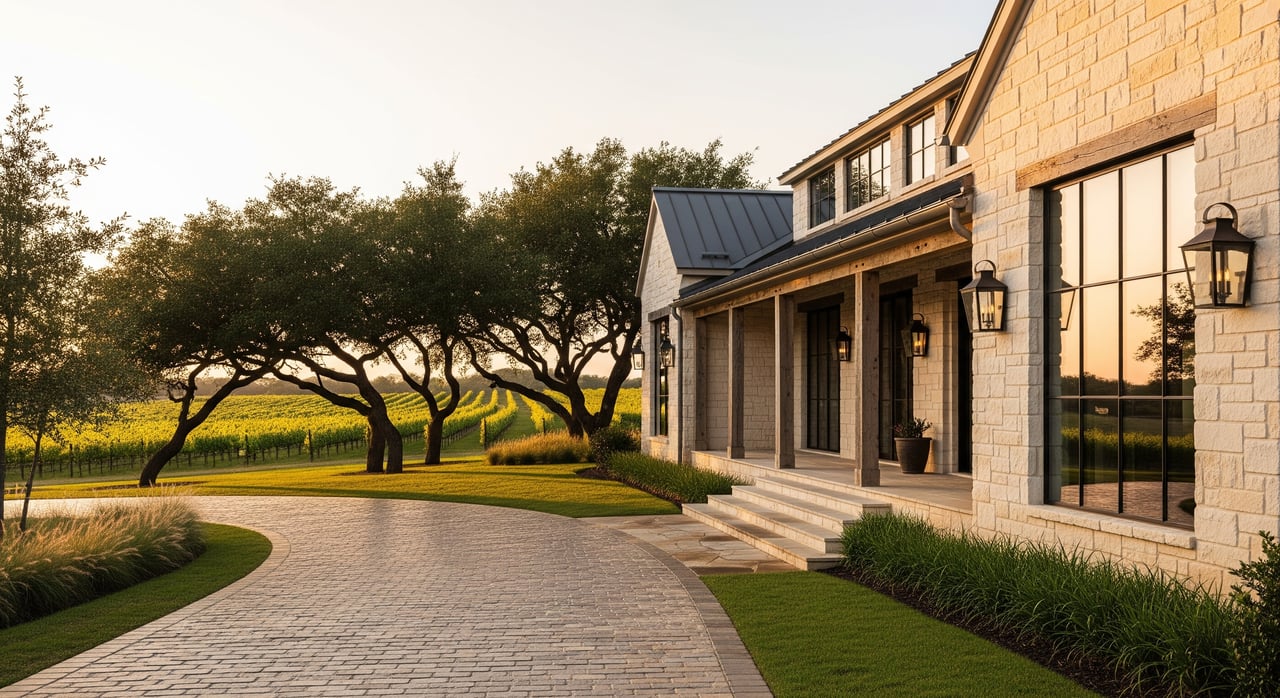
Did you find the right home in Grapevine only to hear the appraisal came in low? You are not alone. In fast-moving micro-markets across Tarrant County, contract prices can outpace the sales data appraisers rely on. In this guide, you will learn what an appraisal gap is, why it happens in Grapevine, the options you have if it occurs, and smart offer strategies to protect your budget. Let’s dive in.
What an appraisal gap means for you
An appraisal gap happens when the lender’s appraisal is lower than your agreed purchase price. Since lenders typically finance up to the appraised value, you must either bring extra cash, renegotiate, challenge the appraisal, or use your contingency to walk away.
Two values often get confused:
- Lender-ordered appraisal: Determines the loan amount the lender will approve and is performed by a licensed appraiser for underwriting.
- Tarrant Appraisal District (TAD) value: Sets your property tax assessment and is not used by lenders to set your mortgage amount.
If the appraised value is below your price, your loan amount is limited by that value. You then decide whether to add cash, renegotiate, seek a review, or terminate under your contract terms.
Why appraisal gaps happen in Grapevine
General market causes
- Rapid price shifts. When prices rise quickly, closed sales can lag behind current buyer demand.
- Limited comparable sales. An appraiser must use recent, nearby sales with similar features. If there are few, they may have to stretch to less similar comps.
- Upgrade mismatches. High-end kitchens, outdoor living, or pools may not be fully supported by recent comps.
- Condition or permitting issues. Deferred maintenance or unpermitted improvements can reduce value in an appraisal.
- Timing and data gaps. Pending sales and new renovations may not show up in closed-sale data yet.
Grapevine micro-markets
Grapevine has distinct pockets that often move at different speeds:
- Old Town Grapevine. Historic homes and short supply can push prices ahead of recent comps.
- Lake Grapevine neighborhoods. Views and shoreline-proximate lots carry premiums that comps may not fully capture.
- Near Grapevine Mills and DFW Airport. Convenience to major employers and corridors can spur strong demand.
Proximity to I‑121 and SH 114, access to DFW, and local district attendance zones can attract motivated buyers. Limited inventory in certain price bands can also create multiple-offer scenarios where contract prices exceed appraiser-supported values.
Your options if the appraisal is low
Step 1: Review the report
Read the appraisal closely. Verify bedroom and bathroom counts, square footage, condition notes, and the comps chosen. Collect receipts and permits for improvements that support value.
Step 2: Choose a path
Cover the gap with cash
- How it works: You bring the difference between the appraised value and the purchase price to closing.
- Pros: Keeps the deal intact and is decisive in a competitive setting.
- Cons: Requires more cash and means you are paying above the appraised value.
Renegotiate with the seller
- How it works: Ask the seller to reduce the price to the appraised value or split the difference.
- Pros: Can protect your budget and avoid overpaying.
- Cons: The seller may decline, especially if they have backups.
Challenge or seek a second appraisal
- How it works: Submit a reconsideration with better comps, upgrade documentation, or corrections. Some lenders may allow a second appraisal.
- Pros: If there were errors or missed comps, the value may be adjusted.
- Cons: Timing is tight, success is not guaranteed, and lender policies vary.
Use the appraisal contingency to walk away
- How it works: If your contract includes an appraisal contingency, you can terminate and recover earnest money based on the terms.
- Pros: Protects your funds and prevents overpaying.
- Cons: You lose the property and may face continued competition on the next home.
Offer strategies that reduce appraisal risk
Pre-offer preparation
- Study hyperlocal comps by micro-market and condition within a tight radius and recent timeframe.
- Coordinate with your lender early to understand their appraisal process and turn times.
- Gather seller documentation upfront when possible, such as improvements, receipts, permits, surveys, and HOA details.
Smart appraisal gap clauses
Use clear, tailored language that matches your budget and risk tolerance. Examples include:
- Flat-dollar coverage: “Buyer will cover up to $X of any difference between the appraised value and the purchase price.”
- Percentage-based coverage: “Buyer will cover up to Y% above the appraised value.”
- Hybrid coverage: “Buyer covers the first $10,000 of any gap and 50% of any additional difference.”
- Conditional coverage: “Buyer agrees to cover the gap only if the appraisal is within Z% of the contract price.”
Pair any gap language with an appraisal contingency unless you have strong reserves and are comfortable with the risk.
Evidence packet for the appraiser
Work through proper channels to share a professional packet that includes:
- Relevant recent and pending comps used in your offer analysis
- Detailed improvements list with receipts and permits
- Floor plan and quality photos
- A concise neighborhood trend summary
Present facts respectfully. Appraisers follow strict standards, but solid documentation can help them consider data they might have missed.
Financing and lender choice
- Favor lenders who regularly work with Grapevine and Tarrant County appraisers.
- Higher down payment options can help if value comes in tight, though the appraisal still matters.
- Ask about timelines, reconsideration procedures, and whether second appraisals are ever allowed under their policies.
Contract details and timing
- Include a clear appraisal contingency with a defined window to negotiate, seek a reconsideration, or terminate.
- Spell out how any gap coverage will be funded and documented.
- Add a quick seller response window to streamline talks if the appraisal is low.
Communication and speed
- Order the appraisal promptly after option periods.
- If the value is low, move fast. Submit rebuttal data within the lender’s timeline and open negotiations right away.
Grapevine scenarios to consider
- Multiple offers on an Old Town home. You include a capped gap clause to strengthen your offer while keeping an appraisal contingency beyond that cap.
- Lake-proximate property with premium features. You bring a clear improvements list and a tight comp set, plus limited gap coverage.
- Tight budget near DFW corridors. You keep a standard appraisal contingency and are prepared to walk if price and value do not align.
Risks to weigh before covering a gap
- Short-term market shifts can leave you paying above appraised value with less equity cushion.
- The lender still bases the loan on the appraised value. You must verify and source any extra cash.
- Waiving the appraisal contingency removes an important consumer protection and should be considered carefully.
Quick 3-step action plan
- Review the appraisal: Confirm property details, comps, and any errors. Gather permits and receipts for improvements.
- Respond with evidence: Ask your lender about reconsideration procedures and open price talks with the seller.
- Decide your move: Cover the gap within your cap, renegotiate, seek another opinion per lender policy, or use your contingency to walk.
Buying in Grapevine involves nuanced micro-markets, from historic streets to lake-adjacent neighborhoods. With the right prep, clear gap language, and strong documentation, you can compete with confidence without overreaching. If you want a tailored plan for your price point and neighborhood, connect with Maggie Love for local guidance and a calm, strategy-first approach.
FAQs
If my appraisal is lower than my purchase price in Grapevine, do I lose my loan?
- Not automatically; lenders typically lend up to the appraised value, so you can add cash, renegotiate, challenge the appraisal, or terminate under your contingency.
How much cash do I need to bring to cover an appraisal gap?
- The gap is the difference between the contract price and appraised value; you must also maintain your original down payment percentage based on the appraised value.
Can my lender accept a second appraisal or a reconsideration of value?
- Policies vary; many lenders allow a reconsideration process and some permit a second appraisal, so ask about their procedures and timelines.
What should I include in my offer to limit risk but stay competitive?
- Consider a capped appraisal gap clause plus an appraisal contingency, aligned with your maximum comfortable cash contribution.
Are certain Grapevine areas more likely to under-appraise?
- Historic homes, lake-proximate lots, or heavily renovated properties can outpace nearby comps, increasing the chance of appraisal variance.
How is a lender appraisal different from the Tarrant Appraisal District value?
- The lender appraisal sets collateral value for your loan, while the TAD value is used for property taxes and often lags the market.
What are the risks of waiving the appraisal contingency in Grapevine?
- You may be obligated to close even if the value is low, requiring more cash and reducing your financial flexibility.
How can sellers help reduce appraisal risk for a Grapevine home?
- Provide a documented improvements list, permits, recent survey, and allow reasonable access for the appraiser to verify features.
Where can buyers find reliable local comparable sales?
- Your agent can pull recent sales from the local MLS and assemble a micro-market comp set tailored to your target neighborhood and price band.